Is Your Alternator Failing? Here's How to Know
Most people don’t think about their vehicle’s alternator until it stops working. Then it suddenly becomes the center of attention.
Often, drivers don’t think about their alternator until they find themselves stuck in a parking lot with a dead car, wondering why a new battery isn’t fixing the problem. Often, the real issue isn’t the battery at all; it’s the alternator. At Dakota Battery & Electric, we’ve been diagnosing, rebuilding, and replacing alternators in Rapid City since the 1960 Plymouth Valiant introduced the machinery to the market, and with that experience, we’ve seen this situation more often than you’d think. The good news is that a failing alternator usually gives you warning signs before it leaves you stranded. You just need to know what to watch for.
This guide will explain what your alternator does, the main warning signs of trouble, and when it’s time to stop guessing and call the experts. As our motto says, “Test, Don’t Guess.”
What Does an Alternator Actually Do?
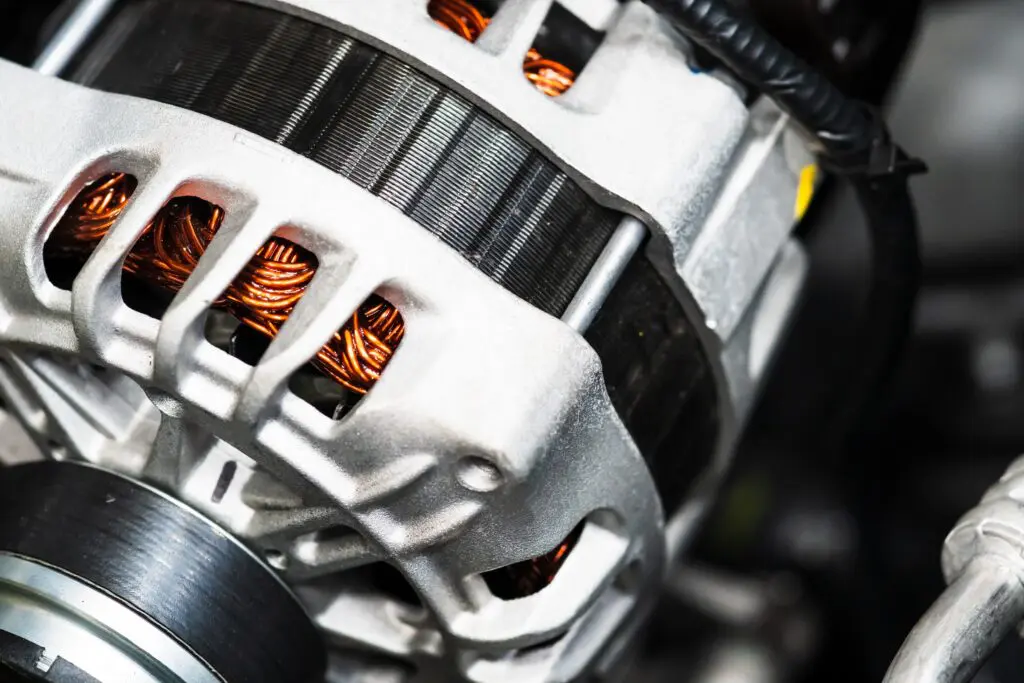
Your alternator works like your car’s own power plant. The battery gives your engine the initial jolt it needs to start, but after that, the alternator takes over. It keeps your lights on, charges the battery, powers the climate control, runs the infotainment system, and keeps all the sensors and modules working while the engine is running.
The alternator turns the engine’s mechanical energy, using the serpentine belt, into electrical energy through electromagnetic induction. It makes alternating current (AC), which is then changed to direct current (DC) for your car’s electrical system. Most car alternators produce between 13.5 and 14.8 volts. If that output drops or becomes uneven, your whole electrical system can have problems.
Today’s vehicles put more strain on alternators than older cars did. Features like heated seats, advanced driver assistance, extra USB ports, and complex computer systems all use power all the time. That’s why keeping your alternator in good shape is more important than ever. Spotting a problem early can help you avoid a costly and inconvenient breakdown.
7 Warning Signs Your Alternator May Need Repair or Replacement
Alternators rarely fail all at once. Most of the time, they send clear distress signals for days or even weeks before completely giving out. Here’s what to watch and listen for:
1. The Battery Warning Light Comes On (And Stays On)
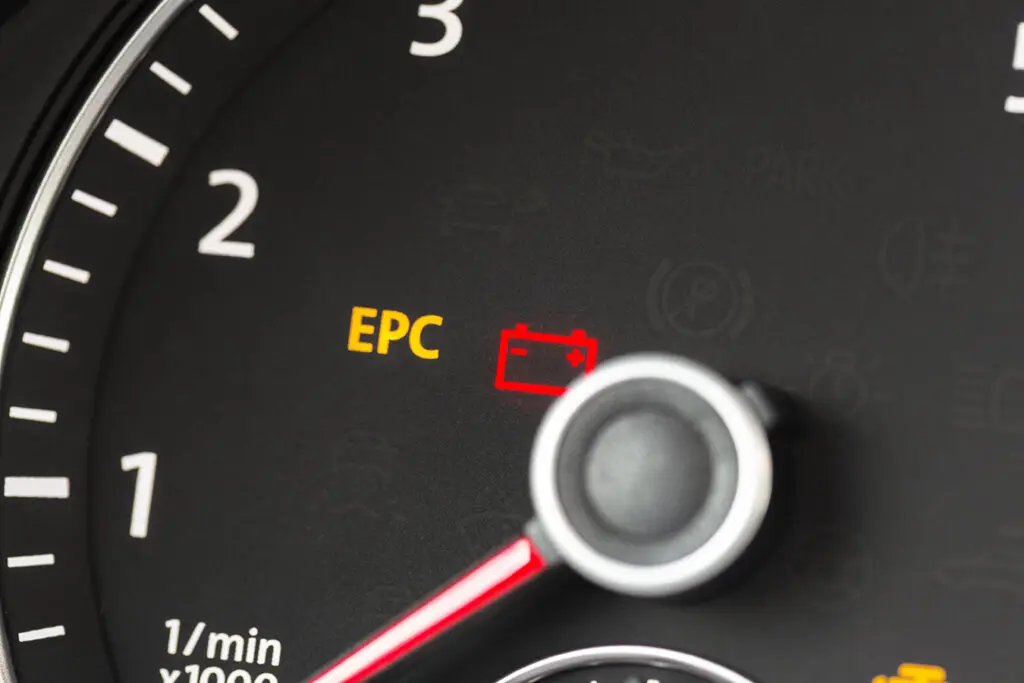
This is the most common early sign, but it’s often misunderstood. Many drivers see the battery icon and think the battery is the issue. However, that dashboard light actually monitors the whole charging system, including the alternator. The light usually comes on when the system voltage drops below about 13.5 volts or goes above 14.8 volts. If you see it, don’t just replace the battery. Get your charging system checked to find the real problem before swapping any parts.
2. Dimming or Flickering Headlights and Interior Lights
Your lights should always be steady and bright. If you see your headlights dim when you’re idling and get brighter when you rev the engine, that’s a classic sign of alternator trouble. The alternator makes less power at low RPMs, and if it’s getting weak, it might not keep up. Flickering dashboard lights, a gauge cluster that dims and brightens, or interior lights that fade when you turn on the AC are all signs of the same issue: uneven electrical output.
3. A Dead or Repeatedly Drained Battery
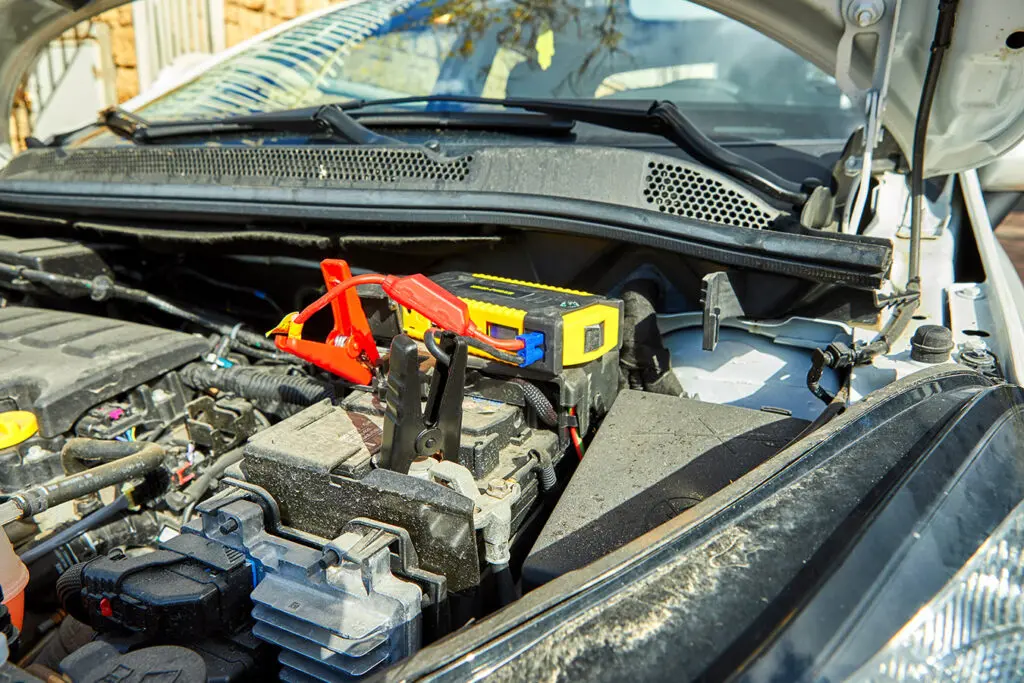
If you’ve just replaced your battery and still have trouble starting your car, the alternator could be the problem. A good alternator keeps the battery charged while the engine is running. If it’s failing, it uses up the battery’s power without recharging it, so the battery drains quickly. If you need to jump-start your car more than once, or if a battery test shows the battery is fine but it still won’t hold a charge overnight, check the alternator instead of buying another battery.
4. Strange Noises Like Whining, Grinding, or Growling
Not all alternator problems show up as electrical issues. Sometimes, you’ll hear them instead. A high-pitched whining or grinding noise from the engine area, especially one that changes with engine speed, can mean the alternator bearings are worn out. The alternator has internal bearings that let its rotor spin smoothly. When these wear down, they make these kinds of noises. A rattling sound might mean the alternator housing or its mounting hardware is loose. Don’t ignore strange engine noises; they usually get worse if left alone.
5. Electrical Accessories Acting Strangely
When your alternator can’t keep up with your car’s electrical needs, the system has to choose what gets power. You might notice slow power windows, a radio that cuts in and out, weak air conditioning, or heated seats that don’t work right. In some cars, the computer will lower power to less important accessories to protect the main systems. This can lead to confusing symptoms that don’t seem electrical at first. If several accessories act up at the same time, check the charging system first.

6. The Smell of Burning Rubber or Hot Wiring
A failing alternator can get too hot, and overheated parts have a strong smell. If you smell burning rubber near the engine, the serpentine belt might be slipping or overheating because the alternator is harder to turn. If you notice a smell like hot wiring or burning plastic, the alternator’s internal parts may be overheating. Either smell means you should get your car checked right away. Don’t drive it until it’s been inspected.
7. Your Vehicle Stalls, Hesitates, or Is Hard to Start
If your alternator is about to fail, your car might stall while you’re driving because the battery runs out of power and can’t keep the engine going. You could also have trouble starting the car in the morning or notice the engine stumbling when it’s idling. If your car stalls and won’t start again, and a jump only lets you drive a few more miles before it dies, the alternator is likely finished. At this point, you’ll need a tow, not another jump.
Repair, Rebuild, or Replace? What You Need to Know
What makes Dakota Battery & Electric different from most auto parts stores is that we don’t just sell alternators; we rebuild them. When you bring in your alternator, our technicians don’t just swap it for a new one. We check every part, including the rotor, stator, diode rectifier, voltage regulator, brushes, bearings, and housing. If it’s a good candidate for rebuilding, we replace the worn parts with high-quality components and test it to ensure it works as it should, saving you money!
A rebuilt alternator from an experienced shop can be just as reliable as a new one, and it often costs less. You also get a solution that fits your vehicle, instead of a generic replacement from a parts store. If you have a truck that needs more power, an emergency vehicle, or a classic car with modern accessories, a custom or high-output rebuild can actually work better than a standard replacement.
We work on alternators for all kinds of vehicles, from domestic and imported cars and trucks to motorcycles, ATVs, RVs, boats, farm and construction equipment, and more. If it has an alternator, we can fix it.
If rebuilding isn’t the best option because of age, condition, or parts availability, we also carry quality new and remanufactured alternators and can install them for you. We’ll give you honest advice about what’s best for your vehicle and your needs. Since opening in 1952, our goal has been to fix our customers’ problems and earn their trust. That’s how we’ve stayed in business for over 70 years in this community.
Frequently Asked Questions About Alternator Failure
How long do alternators typically last?
Most alternators last about 7 to 10 years, or between 80,000 and 150,000 miles. This can change depending on your vehicle, how you drive, and how much electrical power you use. South Dakota’s tough weather and heavy loads in trucks, RVs, and equipment can make alternators wear out faster.
Can I drive with a bad alternator?
Technically, yes, but only for a short time. When the alternator fails, your vehicle runs just on battery power. Depending on how much charge is left and what you’re running, you might get 30 minutes of driving or even less. It’s not something you want to risk, especially on I-90, heading into the Hills, or anywhere remote. If you think your alternator is failing, it’s best to get it tested right away instead of seeing how far you can go.
Will a new battery fix my alternator problem?
No. The battery and alternator are separate parts that work together. If your alternator is failing, a new battery will just get drained again. This is one of the most common and frustrating mistakes we see. If your battery keeps dying, get the whole charging system tested before buying another battery.
Does Dakota Battery work on older vehicles?
Absolutely. In fact, older vehicles are where a shop that can rebuild alternators really stands out. It’s often hard to find replacement alternators for older domestic vehicles, classic cars, or old farm equipment at a parts store. Because we can find the exact problem and rebuild the unit, we can often fix an alternator for an older vehicle when a regular parts store can’t help.
Does Dakota Battery work on older vehicles?
Absolutely. In fact, older vehicles are where a shop that can rebuild alternators really stands out. It’s often hard to find replacement alternators for older domestic vehicles, classic cars, or old farm equipment at a parts store. Because we can find the exact problem and rebuild the unit, we can often fix an alternator for an older vehicle when a regular parts store can’t help.
At Dakota Battery & Electric, we’ve been fixing charging system problems for Rapid City and the Black Hills for over 70 years. If you notice any of the warning signs above or just want to be sure before a long trip, our team is ready to run a full diagnostic and give you honest answers.
As we say at Dakota Battery, Don’t guess. Test! Call us at 605-348-8631 to schedule your alternator inspection. We are located at 740 Deadwood Ave in Rapid City, open Monday through Friday, 8 AM to 5 PM, to serve you!