Every fall in the Black Hills, temperatures drop, the first hard frosts hit, and at Dakota Battery & Electric we start fielding calls from drivers whose cars won’t start. Most of these batteries hadn’t suddenly failed; they had already been weak before winter, and the cold just finished the job.
Cold weather doesn’t directly create your battery problems, but it does expose the ones that were already there. The good news is that a few checks now, before the snow flies, can tell you exactly where your battery stands and whether it’s ready for another Rapid City winter.
Why Cold Weather Is So Hard on Batteries
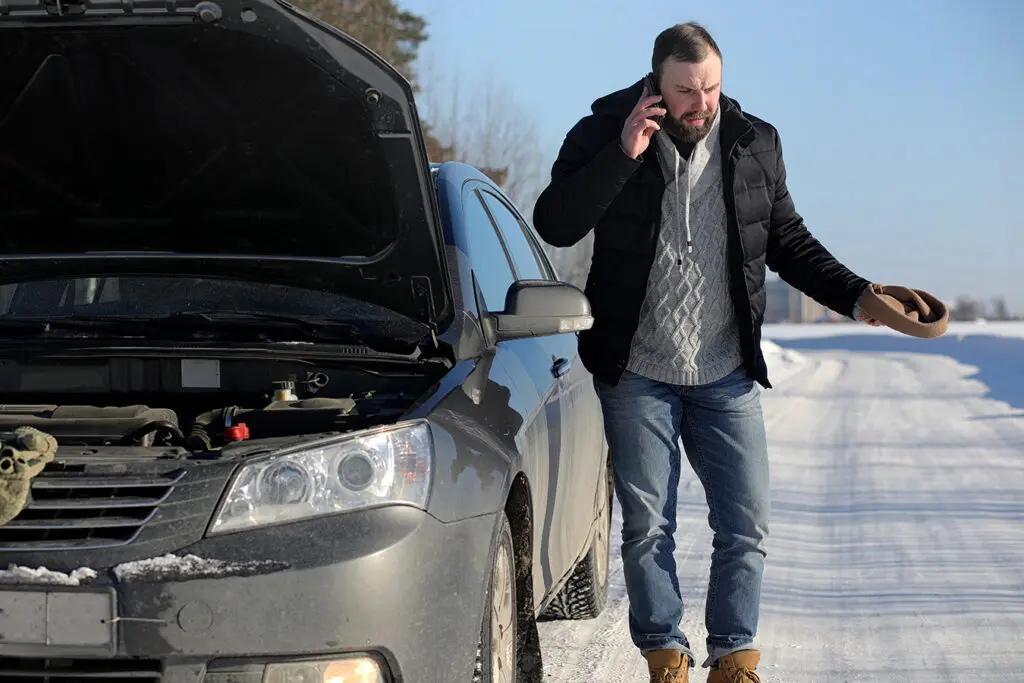
A car battery produces power as a result of a chemical reaction, and this reaction tends to slow down when the temperature decreases. As the AAA Automotive Research Center states, the battery loses approximately 35% of its capacity when the temperature is 32°F, and by the time the temperature reaches 0°F, its power has dropped to about 40% of what it is under normal conditions. When your battery is at its weakest, your engine needs more from it, not less. Since the engine oil is thicker and more difficult to turn over in cold weather, a cold start can call for as much as twice the electrical current as a start on a warm day.
South Dakota also faces a delayed-reaction problem. Even though the symptoms do not normally appear until winter, the summer heat gradually harms the internal parts of a battery. As AAA puts it, the intense summer sun breaks down the battery’s internal components, and this damage usually becomes noticeable when the temperature falls below freezing. A battery that had seemed in perfect condition throughout the summer may be the one that leaves you stranded come December.
The Pre-Winter Checklist
1. Get it tested before the cold hits, not after
A battery can look good but still rely on temporary strength. The voltage figure alone doesn’t tell the full story. At Dakota Battery & Electric, we run a load test to check whether your battery can provide the current your engine needs to start, not just whether it holds a charge. AAA specifically advises testing your battery and charging system in the fall, before the cold weather comes, and we agree. Testing early lets you replace a weak battery before you find out on a morning when the temperature is below zero.
2. Know your battery's age
Most car batteries last three to five years; if yours is within that timeframe, or if you’re not sure exactly how old it is, you should have it tested now. A battery that is over three years old should be checked before winter arrives, since by the time it starts to give problems in the cold weather, it might already be too late to take any preventive action.
3. Clean off corrosion at the terminals
The white, blue, or greenish layer that builds up on your battery terminals is corrosion, and its effect goes beyond being unsightly; it increases resistance precisely at the point where your battery requires the best connection, a condition which can be sufficient to prevent a barely adequate battery from starting your car on a cold morning. The problem can usually be solved in a few minutes using a wire brush, some baking soda and water, and a clean cloth.
4. Make sure every connection is tight
A loose terminal clamp can cause the same symptoms as a dying battery: slow cranking, dimming lights, or a car that won’t start at all. Check each connection by hand. If anything shifts or wiggles, snug it back down before the first cold snap, not after your car won’t start in the driveway.
5. Watch out for short trips
Starting the engine draws a considerable amount of power from the battery, and it usually takes about ten to fifteen minutes of driving for the alternator to replace that power. In cold weather, this recovery process takes even longer since the engine takes longer to warm up. If a large part of your driving consists of short trips around Rapid City, your battery may never receive a full recharge. You can help keep the battery fully charged by combining several short journeys into a single longer one or by using a battery maintainer if the vehicle is left sitting for days at a time.
6. Turn off accessories before you shut the engine off
Since the headlights, the heater fan, the seat warmers, and the infotainment system all draw power from the battery, leaving them on for even a short time after you’ve parked causes unnecessary battery drainage. Make it a habit of turning off the accessories before you turn the key, particularly when the temperatures begin to fall.
7. Keep a jump-start pack in the vehicle
A battery that performs well today may still have difficulties on a severe morning, and a small jump-start pack takes up little space, often making the difference between a five-minute delay and having to call for a tow, particularly when you’re heading up I-90 or into the Hills where help isn’t always nearby.
Why Dakota Battery Says "Test, Don't Guess", Especially in Winter
It’s tempting to treat a battery replacement as a guessing game: if the car struggles to start, just buy a new battery. But a weak connection, a failing alternator, or a battery that’s simply cold can all look identical from the driver’s seat. That’s exactly why we built our shop around testing instead of assuming. Our technicians can tell you, with an actual load test, whether your current battery has enough life left to get you through a Rapid City winter, or whether it’s time to replace it, before the cold makes that decision for you.
Frequently Asked Questions from Winter Battery Clients
How cold does it have to get before my battery is at risk?
Risk starts well before it feels dangerously cold outside. A battery loses roughly a third of its strength once temperatures drop to freezing, and that loss keeps getting worse the colder it gets. A battery that’s already weak can struggle even on a mild winter day in the 20s or 30s.
Will a battery blanket or heater actually help?
Yes, for a battery that’s otherwise in decent shape. A battery blanket keeps the internal temperature higher, which helps it hold on to more of its cranking power. It won’t fix a battery that’s already failing, though. If a load test shows your battery is weak, a blanket just delays the inevitable.
Can I test my own battery at home?
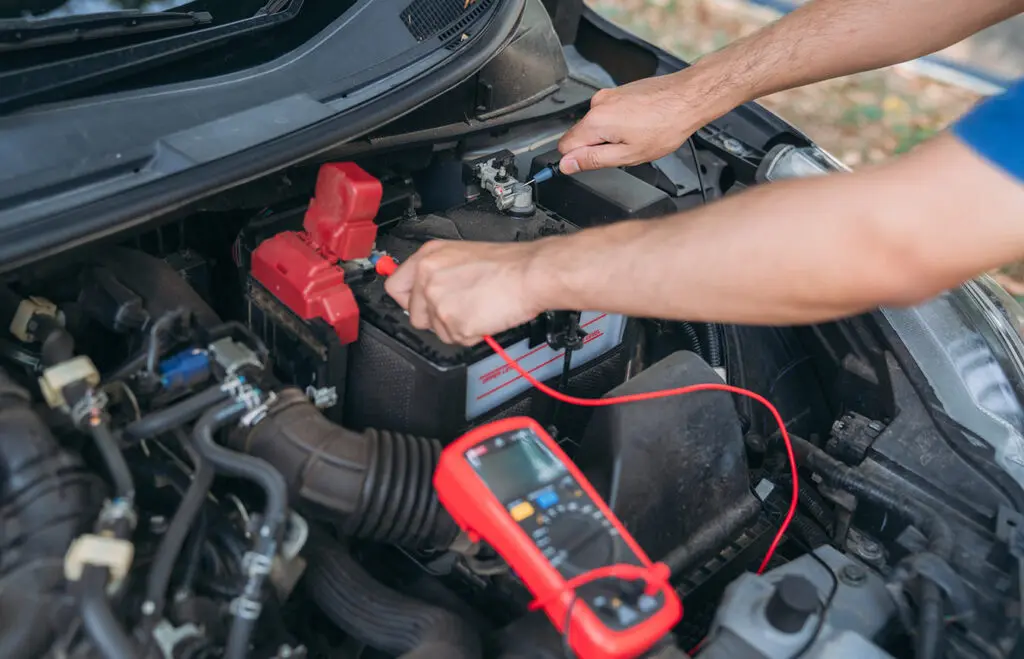
A multimeter will tell you the voltage, and a fully charged battery should read around 12.6 volts. That’s useful information, but it doesn’t tell you whether the battery can deliver the current needed to actually start your engine in the cold. That’s what a load test measures, and it’s worth having our technicians at Dakota Battery run one before winter rather than relying on a voltage reading alone.
My car started fine all summer. Why would it fail now?
Summer heat is hard on the internal components of a battery, even though the symptoms usually don’t show up until the weather turns cold. A battery can seem completely normal in July and still be running on borrowed time by the time the first hard freeze hits.
Does a new battery fix a slow-cranking problem?
Not always. Corroded terminals, a loose connection, or a failing alternator can all cause the same slow-cranking symptoms as a dying battery. That’s why a full test of the charging system, not just a battery swap, is the right first step.
At Dakota Battery & Electric, we’ve been keeping Rapid City and the Black Hills on the road since 1952. If you want your battery tested before winter gets here, call us at 605-348-8631 or stop by our shop at 740 Deadwood Ave, open Monday through Friday, 8 AM to 5 PM. Test, don’t guess.