Every August, thousands of riders travel to the Black Hills for one of the country’s biggest motorcycle rallies. Most spend weeks getting their bikes ready with fresh oil, new tires, and a good cleaning. But many forget about the battery, causing catastrophic failure.
Many riders don’t realize how much their motorcycle battery does. It sits through a cold winter or months without use, then has to start a strong engine and power everything from headlights to infotainment systems during long rally days. If the battery is already weak, rally traffic and August heat can cause it to fail. At Dakota Battery & Electric, we see it every year: riders who test their battery before the rally enjoy their trip, while those who don’t often end up needing a jump or a ride into town.
This checklist covers what you should check before a long ride, whether you’re heading to Sturgis or just planning to ride more than usual this season.
Why Motorcycle Batteries Fail Before Long Rides
Motorcycle batteries are smaller than car batteries and have less reserve power, so there’s less margin for error. As rally season gets closer, several things can make it even tougher on your battery.
Storing your bike over the winter can weaken the battery. If it sits in a cold garage for months without a maintainer, it slowly loses its charge. It might start your bike at home, but might not have enough power for a long trip.
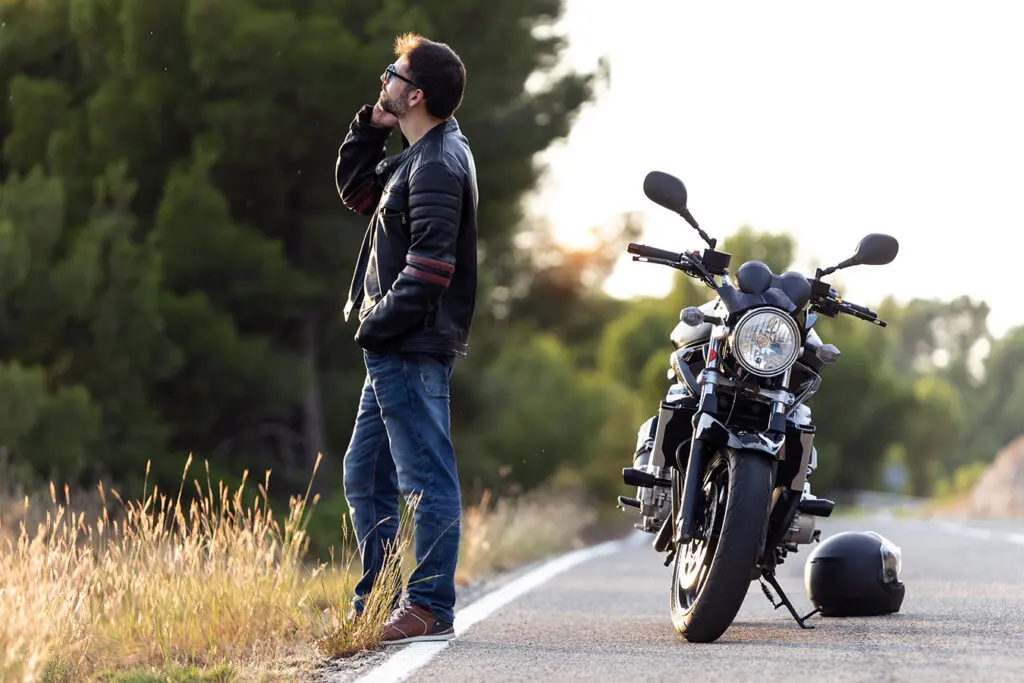
Heat wears out batteries faster. In August, Sturgis often gets into the 90s. High temperatures speed up the chemical reactions inside a battery, which shortens its life, especially if it’s already a few years old.
Vibration can make winter corrosion worse. Corrosion builds up on the terminals during winter, and long rides can turn a loose or corroded connection into a total loss of power, often when you least expect it.
Riding in a rally is harder on your battery than daily use. Sitting in slow rally traffic with lights, radio, and extra electronics running uses more power than the alternator can replace at low speeds. A battery that works for your commute might not be enough for rally conditions.
Your Pre-Rally Motorcycle Battery Checklist
1. Test the battery; don't just look at it.
A battery might look fine but still have only half its original power. Just checking the voltage isn’t enough. A load test, which we offer at Dakota Battery & Electric, shows if your battery can deliver power when it matters. It’s the best thing you can do before a long trip, and it only takes a few minutes.
2. Check the age.
Most motorcycle batteries last three to five years if you take care of them. If yours is getting close to that age, or you can’t remember when you bought it, get it tested before a long ride. It’s much easier to replace a battery at home than on the side of I-90.
3. Clean the terminals.
Corrosion looks like white or greenish buildup around the terminals and can cause more problems than you might expect. It increases resistance, making the electrical system work harder. You can clean it in about ten minutes with a wire brush, some baking soda and water, and a clean rag.
4. Check that connections are tight.
Loose terminal bolts often cause electrical problems that are easy to miss. Check each connection by hand. If anything is loose, tighten it before you ride.
5. Charge it fully before you leave, especially after winter storage.
Even a healthy battery can come out of winter storage undercharged. Charging it for a few hours with a proper motorcycle battery charger, not a car charger, brings it back to full capacity before your trip.
6. Know your battery type and match it to the bike.
Not every battery fits every motorcycle, and using the wrong one can cause charging problems later. If you’re not sure what your bike needs, bring us the make, model, and year, and we’ll help you find the right match.
7. Pack for the unexpected.
Even a battery that tests well can have problems on the road. Packing a basic jump-start pack doesn’t take much space and can save your day if something goes wrong far from home.
Why Riders Choose Deka for Their Motorcycle Batteries
At Dakota Battery & Electric, we install Deka batteries in Harleys, Triumphs, Indian Motorcycles, and many other bikes. We don’t sell lithium batteries. Deka offers three types of batteries for power sports, and the right one for your bike depends on how you ride and store it.
Intimidator batteries come pre-filled from the factory, so you don’t need to activate them or add acid. They also hold their charge well between rides, which is helpful if your bike sits unused during the off-season.
Deka Non-Activated batteries need to be activated, but they provide strong starting and reserve power for both on-road and off-road use. They’re a good choice for riders who put a lot of miles on their bikes.
Deka Sports Power batteries don’t need activation, are spill-proof, and are made to handle the extra electrical needs of aftermarket lights, stereos, and other accessories riders often add.
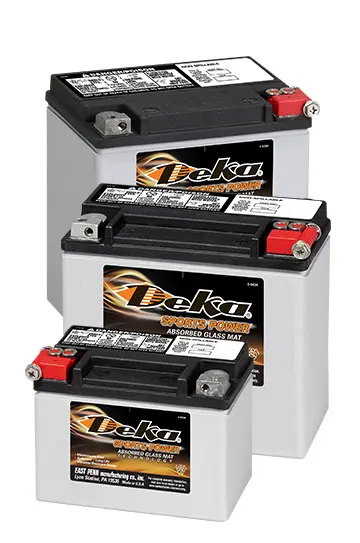
All three use AGM technology, so they’re sealed, maintenance-free, and much more resistant to vibration than older batteries. This is a real advantage on Black Hills roads. Several Deka models are also made in the USA.
If your battery tests weak or it’s time for a replacement, our team can help you find the right Deka battery for your bike and install it before your trip. Since 1952, we’ve focused on testing the problem instead of guessing, so riders get back on the road with a battery they can trust.
Frequently Asked Questions
Two to three weeks gives you enough time to test your battery, replace it if needed, and let a new one settle in before you leave. Waiting until the week of your trip doesn’t leave time if something needs to be ordered.
No. Car chargers deliver more current than a motorcycle battery can handle, which can damage it. Use a charger made for motorcycle or powersports batteries, ideally one with a low-amp or trickle setting.
Age alone isn’t a perfect predictor, but three to five years is the usual range for a well-maintained motorcycle battery. The only way to know for sure is a load test, which tells you the battery’s actual remaining capacity, not just its age.
Intimidator batteries come pre-filled and ready to install with no activation needed. Non-Activated batteries need activation but offer strong starting and reserve power. Sports Power batteries don’t need activation, are spill-proof, and are built for higher electrical demand. All three use AGM technology.
Yes. Our technicians can test your current battery, recommend the right replacement if needed, and install it, so you don’t have to do it yourself right before a trip.